Custom Website Development vs Template Websites: Which Is Better for Your Business?

When a business decides to establish or upgrade its digital presence, one of the most critical decisions it faces is whether to invest in custom website development or opt for a template-based solution. The choice isn't just a matter of budget; it's a strategic decision that affects everything from search engine visibility and user experience to long-term scalability and brand authority.
In an era where digital noise is at an all-time high, the technical foundation of your website can be the difference between a high-performing revenue engine and a forgotten corner of the internet. In this guide, we will break down the fundamental differences between custom and template-based sites to help you make an informed decision for your business growth.
What is Custom Website Development?
Custom website development refers to the process of building a unique digital platform from the ground up, specifically tailored to the unique business logic, aesthetics, and goals of a brand. Unlike templates, custom sites do not rely on pre-existing themes. Instead, every line of code, every design element, and every user interaction is engineered with a specific purpose.
A custom site is built using modern tech stacks such as React, Next.js, or high-performance headless architecture. This means the digital experience is lean, fast, and completely unrestricted by the limitations of a third-party builder or theme.
What is a Template Website?
Template websites are built using pre-designed themes and layouts. These are typically found on platforms like Wix, Squarespace, or through theme marketplaces like ThemeForest for WordPress. Templates are designed to be "universal," meaning they include features and styles that appeal to the broadest possible audience.
While templates allow for a fast launch, they often come with significant trade-offs in terms of performance and uniqueness. Because they are built to accommodate everyone, they often include "code bloat"—unnecessary files and functions that slow down your site and complicate the user experience.
Key Differences: A Side-by-Side Comparison
1. Performance & Speed
Performance is the silent killer of conversions. Custom website development focuses on "Performance Engineering" from day one. By stripping away unnecessary bloat and using modern optimization techniques, custom sites load in fractions of a second. In contrast, template websites often struggle with slow load times due to the weight of their universal feature sets.
2. SEO and Search Rankings
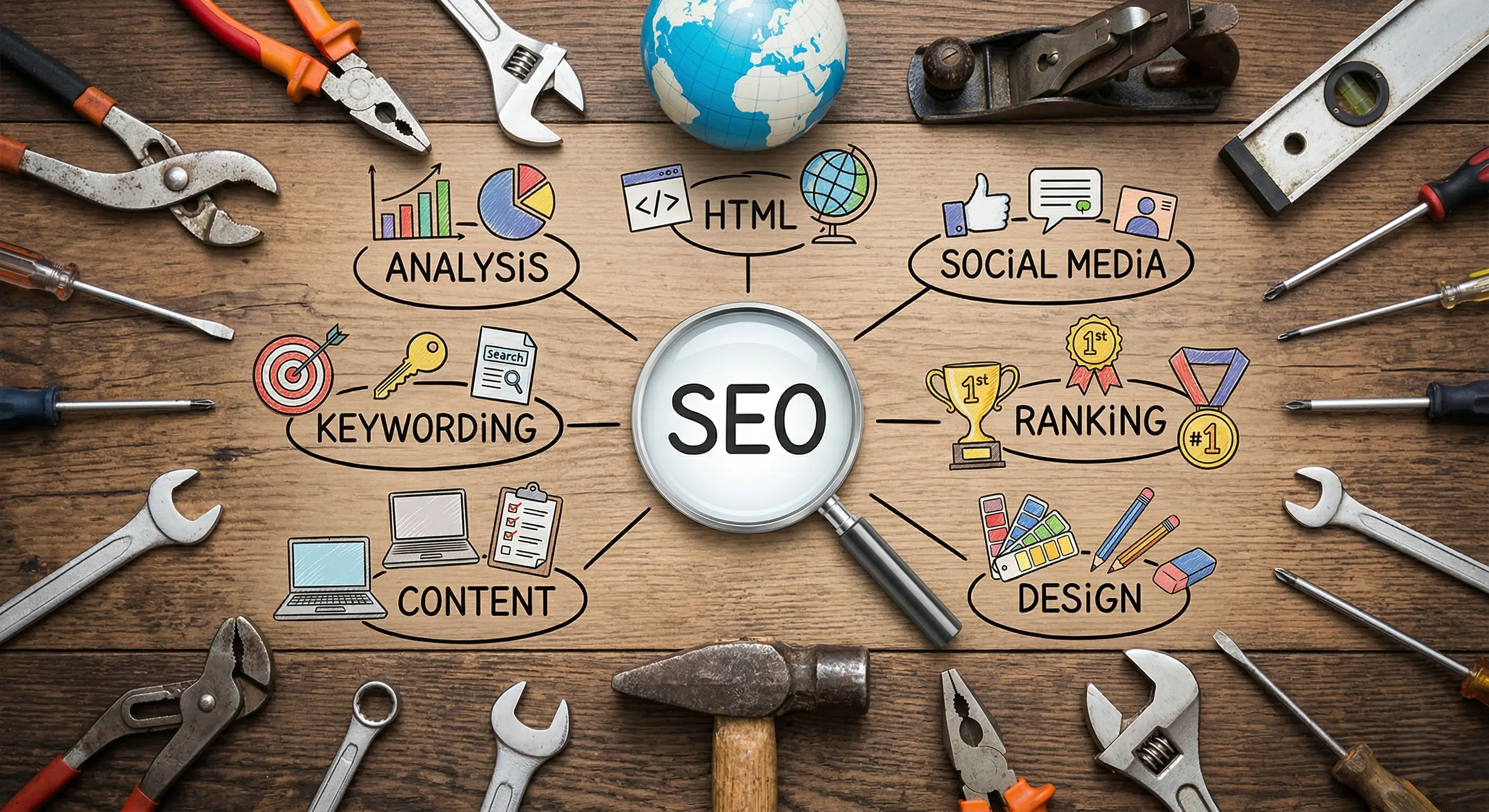
Search engines reward technical excellence. Custom-built sites have a significant advantage in SEO because they allow for granular control over technical SEO elements—such as Semantic HTML, custom Schema markup, and clean URL structures. While some template builders are mobile-friendly, they often lack the deep technical flexibility required to win the "AI Search" race (like ranking in ChatGPT or Bing results).
3. Security and Vulnerability
Templates are public targets. If a specific theme or plugin has a vulnerability, every site using that template becomes an easy target for thousands of automated bots. Custom websites are inherently more secure because their unique codebase isn't documented in public forums. You have total control over the security architecture.
Which Option is Best for Your Business?
The right choice depends on your current stage and your future ambition.
**Choose a Template If:**
• You are a solo founder launching a "proof of concept" or a small local business with very basic needs.
• You have a limited budget and need a simple digital business card rather than a growth engine.
• You are in a rapid testing phase and don't yet know your long-term business logic.
**Choose Custom Website Development If:**
• You are a premium brand aiming to establish authority and trust in a competitive market.
• You require specific features (portals, complex filters, integrations) that templates can't handle without messy plugins.
• You are focused on high-growth and need an SEO-friendly website that can scale without technical debt.
Why Custom Development Converts Better
Conversion rate optimization (CRO) is about removing friction. Templates force your business into a box; custom development builds the box around your business. Custom UI/UX design allows you to obsess over the details—the micro-interactions, the positioning of trust signals, and the clarity of the navigation. This bespoke approach creates a seamless experience that feels high-end, justifying premium pricing and establishing deeper user loyalty.
The Upllix Methodology
At Upllix, we believe that "good enough" is the enemy of growth. Our custom web development process is designed for precision and power:
1. **Strategy and Architecture**: We map out a site structure that reflects your revenue goals.
2. **Luxury Minimalism**: We use premium design principles to create a stunning first impression.
3. **High-Performance Build**: We use cutting-edge technology to ensure perfect Core Web Vitals.
Conclusion: Investing in a Scalable Asset
Choosing between a template and custom development is a choice between a liability and an asset. A template site is a cost to be managed; a custom website is an engine to be grown. By investing in a high-quality, scalable website, you are positioning your business for long-term success in a world that is increasingly defined by digital authority.
Ready to build a digital asset that drives real growth? Let's talk about your custom project.
Request a Custom Quote | Start Your Project
Ready to transform your digital presence?
Partner with Upllix to build a high-performance website that drives real results.
Start a ProjectComments
Join the conversation
No comments yet. Be the first!